The Breakfast Buffet Has a Rush Hour: How to Time It, Read It, and Eat Better
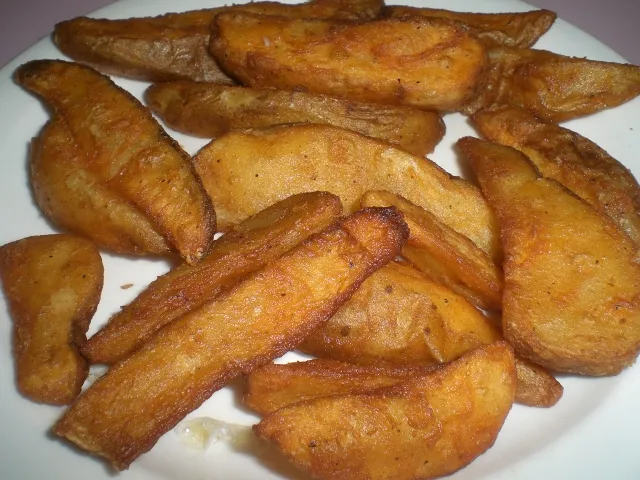
Photo: GoDragonMO, CC BY-SA 3.0, via Wikimedia Commons
Hotel breakfast is a timing sport. The food is the same on paper—eggs, sausage, yogurt, a waffle iron with a line—but the experience changes hour by hour. A 7 a.m. arrival gets you fresh trays and a quiet room. A 9:45 a.m. arrival gets you the last scoop of potatoes and a server stacking chairs. The sweet spot is usually 10 to 25 minutes after the buffet opens, before the 8:30 tour-group wave. Here is how to read the clock, the line, and the trays.
Why 7 A.M. Is a Strategy, Not a Rule
Do not fixate on the number on the clock. Fixate on the opening time. If breakfast starts at 6:30, your window is roughly 6:40 to 7:10. If it starts at 7, aim for 7:10 to 7:40. That first block after opening is when the kitchen has finished setting up but has not yet been hit by the 8-to-9:30 rush. You get hot food, clean tongs, and your choice of tables.
Check the hours the night before. They are usually on the key sleeve, the app, or a sign by the elevator. If you are on a tour schedule, ask the front desk when the big groups are booked. They know. 'What time do most groups come down for breakfast?' is a perfectly normal question.
The First 30 Minutes: Fresh Food, Tight Tables
The first half hour tells you what the kitchen can do. Eggs are just set, not dried at the edges. Fruit is cut and cold. The coffee is fresh. Staff are still circulating, which means you can ask for a table away from the line and get it.
But the first 30 minutes can also be tight. Business travelers grab and go. Families with early park tickets arrive in a clump. The waffle iron has a queue. If you want quiet, sit in the back corner, not by the buffet. If you want speed, take the cold side first—yogurt, fruit, cereal—then circle back for hot food after the first line clears.
The Last 15 Minutes: Quiet, But Telltale
The last 15 minutes before closing are quiet for a reason. The replenishment stops. The sausage tray gets a few lonely links. The scrambled eggs look like they have been through a meeting. Staff start breaking down the yogurt bar and stacking plates. You may get a peaceful table, but you are eating the buffet's leftovers.
That is not always a dealbreaker. If you only want coffee and toast, late is fine. If you want a real meal, late is a gamble. Watch for the 'last call' behavior: servers removing serving spoons, turning off the waffle iron, or pouring the last of the juice. When the tongs disappear, the buffet is over in spirit.
The Sweet Spot Between the Waves
The best window is usually 10 to 25 minutes after opening, or about 30 minutes before the tour buses. You get fresh food without the first-minute scramble. The line moves. The tables are bused. You can ask for a specific seat without holding up the host.
If you are staying at a convention hotel, the wave may start earlier. If you are at a resort with theme-park shuttles, it may start at 7:30. Ask. Then plan your morning around it. A 7:15 breakfast is not a vacation sacrifice; it is a way to avoid standing behind 40 people holding plates.
How to Read the Line
Look at the trays, not the signs. Fresh scrambled eggs have soft curds and a little shine. Tired eggs are dry, brown at the edges, or sitting in a pool of water. Fresh fruit is cold and firm; tired fruit is warm and weeping. Bacon should be crisp or chewy, not translucent. Sausage gravy should move when you tilt the ladle; if it stands up, skip it.
Check the serving utensils. Clean tongs and spoons mean staff are paying attention. A single tong in three different trays is a red flag. So is an empty label with no backup pan. If the hot line looks picked over at 7:10, the kitchen is behind. If it looks picked over at 9:40, that is just the end of service.
Where to Sit (and Where Not To)
Sit away from the buffet line, the server station, and the elevator. Those are the three traffic generators. A corner table or a banquette along the wall is quieter. Near a window is nice, but avoid the direct sun if you are already warm from the coffee.
When you arrive, ask the host: 'Could we sit away from the buffet line? We're happy to walk.' That one sentence does more than any seating chart. If you see a tour group coming, wait five minutes. Let them clear the line. Then go.
The Dietary-Needs Script
Buffets are not great at allergens, but staff can help if you ask directly. Try: 'I have a dairy allergy and I'm avoiding gluten. Before I serve myself, can you tell me which hot items are safe and whether there are separate utensils? If you're not sure, could you check with the kitchen?' If the answer is vague, do not gamble. Ask for sealed yogurt, whole fruit, or a plate from the kitchen.
For a lighter ask: 'Are the scrambled eggs made with milk? Is there a gluten-free bread option?' Keep it specific. 'I have dietary needs' is too broad for a busy server. Name the ingredient and the risk.
Red Flags That Say 'Skip It'
Skip the buffet if the hot food is lukewarm, the gravy has formed a skin, the pastries are hard, the juice is watery, or the fruit flies are circling. Skip it if there are no serving utensils, no staff checking temperatures, or no labels for common allergens. Skip it if the dining room smells like a mop rather than food.
You are not being picky. You are reading the room. A hotel that cannot keep a buffet line clean at 7:30 a.m. is not going to improve at 9. Walk to the lobby café, order a la carte, or ask for a grab-and-go bag. Breakfast is supposed to start the day, not test your immune system.
A Simple Breakfast Plan for 2026
Check the opening time. Set an alarm for 10 minutes after it. Sit away from the line. Take cold items first. Ask for what you need. Leave before the tour-group wave. That is the whole strategy. The 7 a.m. window is not about being early for its own sake—it is about eating well while the buffet is still at its best.