A Room for the Afternoon: When a Day-Use Hotel Stay Beats the Lounge
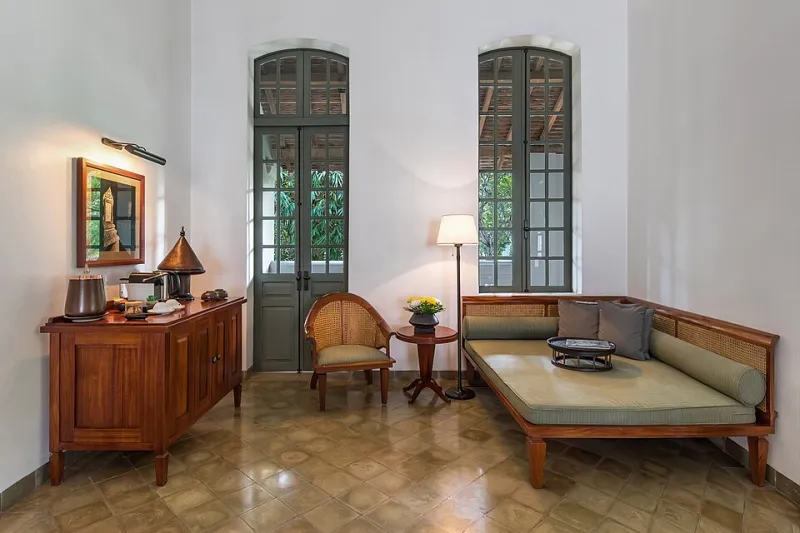
Photo: Basile Morin, CC BY-SA 4.0, via Wikimedia Commons
It's 11 a.m. and your flight now boards at nine tonight. The lounge is full, the shower has a waitlist, and the chair you've claimed has a suspiciously specific contour. Somewhere eight floors above you, there's a hotel room that will sit empty until 4 p.m. — and in a growing number of U.S. cities, you can rent it for the afternoon.
Day-use stays aren't new, but they've gotten easier to book and, in 2026, more common outside the airport-hotel niche. The trick is knowing which situations they actually solve.
What a Day-Use Stay Actually Is
A hotel sells you a guest room for a defined window — often something like 9 a.m. to 5 p.m., or a four-to-six-hour block starting when you arrive. It's priced well below the overnight rate, usually somewhere in the 40 to 70 percent range, and it's a separate booking, not an add-on.
This is not the same as early check-in or late checkout. Those are courtesies attached to a night you already paid for, granted at the desk's discretion. A day-use reservation is its own transaction, often prepaid, and the hotel is committing a specific room to you for a specific block of hours.
Hotels like this because the inventory exists either way. A room that turns over at 11 a.m. and doesn't need to be ready until 4 p.m. is otherwise just dead time.
When It Clearly Wins
Long layovers with a shower problem. Four or more hours at a hub airport is the classic case. An airport hotel day room at LAX, ORD, DFW, or JFK turns a miserable connection into a nap and a hot shower, and you still make your flight.
The red-eye arrival. You land at 6 a.m., check-in isn't until 3, and you have a workday or a wedding to survive. A few hours in a real bed beats a lobby sofa by a mile.
The gap day. Between a checkout and a late train, or between two rentals, a room for the afternoon gives you a place to leave the bags, change clothes, and take a call that isn't conducted from a café bathroom.
Heat, or cold, or rain. In an August afternoon in Miami or a January squall in Chicago, walking around stops being fun around hour two.
Compare that to the alternatives. An airport lounge gives you a chair, snacks, and often a shower queue — no bed, no quiet, and evening closures in some terminals. A coworking day pass is great for a laptop and terrible for a nap, and the bathrooms are shared. A gym day pass gets you a shower but not a horizontal surface. A day-use room is the only one of these that solves sleep, shower, silence, and luggage at once.
When It Doesn't Make Sense
- You need real rest. Four hours in an unfamiliar bed with a checkout alarm is a nap, not recovery. If you're genuinely wrecked, book the night.
- The commute eats the window. Thirty minutes each way for a four-hour block means you've bought two and a half usable hours. It can still be worth it near an airport; downtown, usually not.
- It's peak season. Day-use pricing floats with demand. During a citywide convention or a holiday weekend, the day rate can creep close to the overnight rate — at which point, just take the night.
- You're buying a pool, not a room. Resort day passes are a different product with different rules. Some properties sell cabana-and-pool access without any room at all. Know which one you clicked.
- You need to extend. Day rooms are often promised to arriving guests that evening. A 30-minute grace period is common; a two-hour one usually isn't.
How to Find Day-Use Inventory
Third-party apps like Dayuse and HotelsByDay aggregate this inventory, and they're a reasonable starting point for browsing a city. But the direct route is often better: many chains now list day rates on their own booking pages, and airport hotels frequently sell day rooms by phone. Calling the front desk mid-morning for a same-day afternoon block is a genuinely underused move — the desk knows exactly which rooms are sitting open.
Search by neighborhood, not just by city. A day room two blocks from your meeting is worth more than a nicer one across town.
Confirm These Five Things Before You Pay
- The exact window. Is the check-in time guaranteed, or does it mean "any time after"? Is there a hard checkout, and is there a fee for overstaying?
- The room type. Some day-rate products exclude housekeeping, breakfast, or parking. A few assign smaller rooms than the photos suggest.
- Cancellation terms. Day rates are frequently prepaid and nonrefundable. If your flight might move, that matters.
- The fees on top. Resort fees, parking (often $30 to $60 a day in big cities), taxes, and an incidental hold on your card. The total can land meaningfully above the quoted rate.
- The paperwork. Photo ID, the cardholder present, and a minimum age — usually 18, sometimes 21. Some properties want the card to match the ID.
The Service Details That Separate a Pit Stop From a Rescue
Ask for a room away from the elevator and the ice machine — day rooms get assigned to whatever's convenient, and convenience usually means noisy. Confirm the shower has been serviced, not just wiped down. Blackout curtains matter more than you'd think at 1 p.m. And if you're traveling with a bag you can't carry into a meeting, confirm bell storage is included rather than an extra.
One more: a real desk. If you're working for part of the block, a laptop-on-the-bed setup gets old in about twenty minutes.
A Realistic Playbook
Six-hour connection at ORD, mid-afternoon. Fifteen minutes to the hotel shuttle, check in at the desk with your confirmation number, drop the bag, shower, set an alarm for two hours out, sleep, shower again, and be back at the gate with time to spare. Total cost: less than a lounge day pass at some clubs, and you actually slept.
That's the standard. Not glamorous, not complicated. Just a room, for a few hours, exactly when you needed one.