Turn On the Tap First: A Hotel Shower Check for Weary Travelers
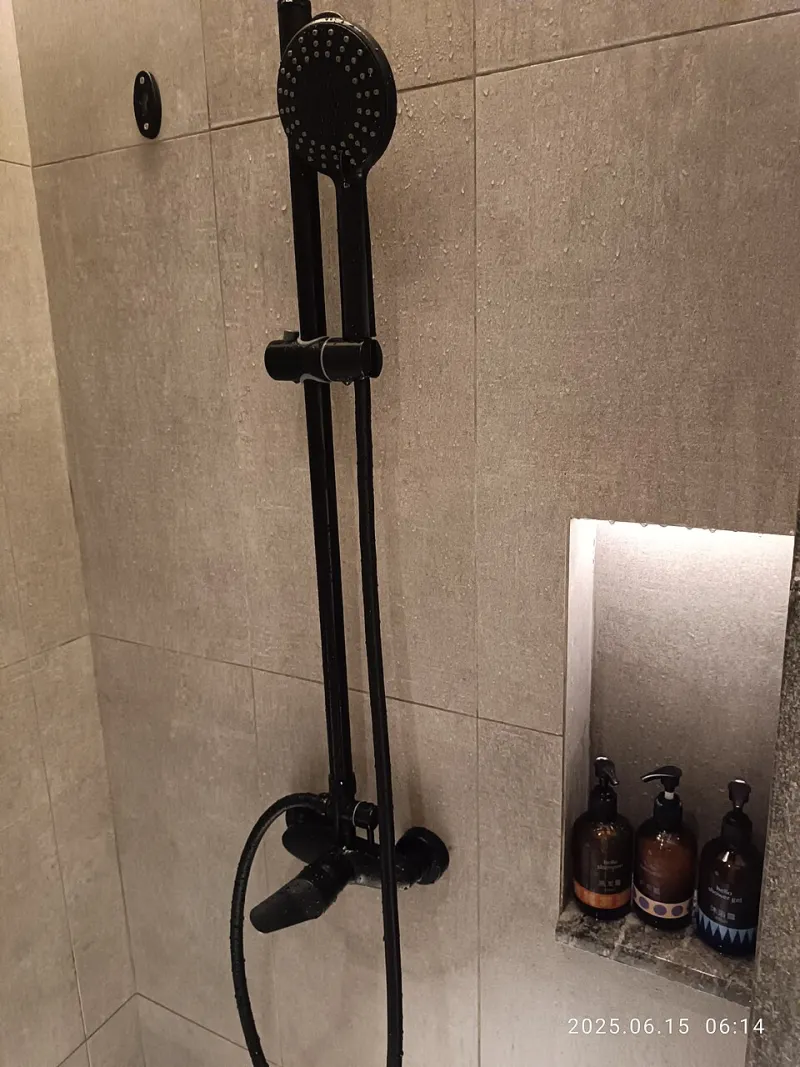
Photo: MeiOLA 2290 WMENSZ, CC0, via Wikimedia Commons
Most hotel reviews focus on the bed, the view, or the lobby scent. Fair enough. But after a long travel day, few things shape your stay faster than the shower. It is the one room feature you use before dinner, after a workout, and at the blurry start of the next morning. A strong, steady shower can make a mid-range room feel generous. A weak one can make a suite feel like a chore.
You do not need to become a plumbing inspector to get useful information. A short, polite test when you first walk in can tell you plenty about how the room is maintained and what kind of night you are likely to have. Think of it as a five-second read, followed by a few minutes of observation. No tools, no drama, no need to flood the bathroom.
Start With a Polite Five-Second Run
After you drop your bags, turn on the shower for a few seconds. Not a full blast, not a long rinse. Just enough to hear the water and feel the temperature at your fingertips. This is not about being fussy. It is about catching the obvious stuff before you unpack, change clothes, or get into pajamas.
In a well-kept hotel room, the water should arrive quickly. The sound should be steady, not sputtering or whistling. If the tap coughs, spits, or takes a small eternity to warm up, make a note. It might be a distant water heater, a room at the end of the line, or a fixture that needs attention. None of those are automatic dealbreakers, but they are clues.
While you are there, look at the showerhead. Is it angled at the wall? Coated in mineral crust? Missing a setting dial? Small fixture problems often point to a maintenance team that is stretched thin or a room that has not been deep-checked in a while. That does not mean the whole hotel is bad. It does mean you should pay attention to the rest of the room.
Pressure: The First Clue
Water pressure is the quickest read. Stand a hand under the stream. You want a comfortable, even flow, not a fire hose and not a sad drizzle. If the water barely reaches your palm, the shower will likely be a slow negotiation every morning. If it stings, you may be dealing with a restrictive head or a high-pressure setup that splashes beyond the curtain.
Pressure also tells you something about the building. Low flow on an upper floor can be a height issue. Weak pressure in one room may be a shared-wall quirk, which is why asking for a different room on the same floor might not fix it. If the front desk says the hotel is full, a room on a lower floor or in a different wing could be the better ask. You do not need to diagnose the system. You just need to know whether the shower is likely to annoy you for two nights.
A quick note for US travelers: water pressure varies widely by region and building age. A compact historic property in New England may have charming rooms and timid plumbing. A newer roadside hotel outside a midsize city may have strong pressure and thin walls. Neither is automatically better. The test is about matching the room to your expectations.
Temperature: Does It Hold?
Let the water run for a minute while you check the rest of the bathroom. Does the temperature stay where you set it, or does it drift from warm to lukewarm to cold? A shower that cannot hold a steady temperature is a maintenance signal. It may be a failing mixing valve, a shared demand issue, or a water heater that is working harder than it should.
If the water goes hot and cold in cycles, do not ignore it. That pattern can make a morning shower genuinely unpleasant, especially in winter. It is also worth mentioning to the front desk early. Sometimes a simple fix is available. Sometimes the hotel can move you before the evening rush. Either way, you have bought yourself options by checking before you settle in.
Drain Speed and That Little Pool at Your Feet
A shower can have great pressure and steady heat and still fail the drain test. Watch the floor while the water runs. Does it drain cleanly, or does a small pond form around your feet? Slow drains are common in hotels, but they are not harmless. They make the shower feel less clean, they can lead to slippery floors, and they often hint at hair, soap buildup, or older pipes.
If the water starts to pool, turn it off and let it drain before you decide what to do. A slow drain is usually fixable, but it is worth a call if you are staying more than one night. Ask politely and specifically: the shower is draining slowly and could use a look. Front desks hear this often, and a good property will send maintenance or offer a room change.
Fixtures, Caulk, and the Maintenance Story
While the water is running, take a slow look around. Are the fixtures secure? Does the shower curtain or glass door close properly? Is there mildew along the caulk, or fresh sealant that suggests someone recently paid attention? A clean, dry bathroom with tight fixtures is a good sign. A bathroom with a loose handle, a stained curtain, and a showerhead pointed at the ceiling is telling you something about the room's inspection cycle.
This is not about hunting for flaws. It is about reading the room like a traveler, not a building inspector. Hotels are busy places. Small wear happens. The question is whether the basics have been handled. A shower that works well is often a sign that other basics, like towels, lighting, and climate control, have had some attention too.
When to Ask for Another Room
You do not need to change rooms over a slightly soft stream. But there are times to speak up. If the water never gets hot, if the pressure is so low you cannot rinse shampoo, if the drain backs up immediately, or if the fixtures feel unsafe, call the front desk. Be specific and calm. Say what you tested and what happened. Ask whether maintenance can look at it or whether another room is available.
A good hotel will treat this as useful information, not a complaint. And if you are checking in late, you have an advantage: it is easier to move rooms before the hotel fills for the night. If you are staying multiple nights, a quick shower check on arrival can save you from repeating the same frustrating routine every morning.
The shower is not the flashiest part of a hotel stay, but it is one of the most honest. It shows how the building is running, how quickly problems get fixed, and whether the room is ready for actual use rather than just a photo. Turn on the tap, give it a few seconds, and pay attention. Your future self, standing under a steady stream of hot water at 7 a.m., will be glad you did.